How to Follow a Tipster the Right Way (And Not Lose Your Head)
Published on 23 Mar 2026 | Last updated on 01 Jul 2026 | Reading time: 4 minutes
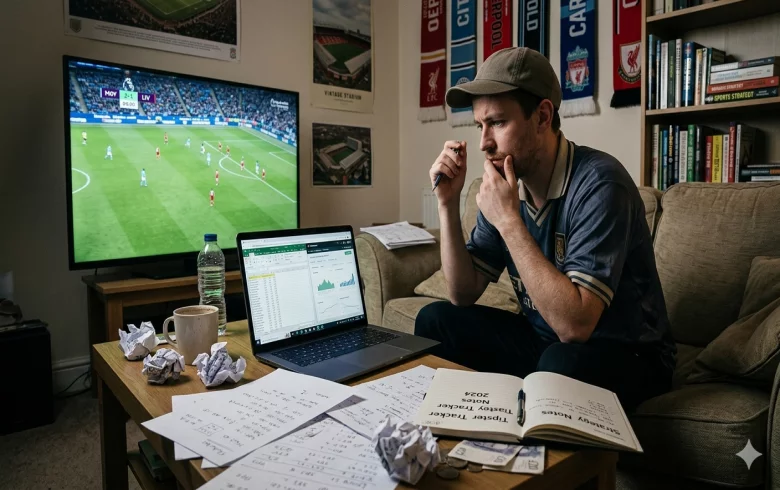
Following a football tipster sounds simple. You find someone with a good record, you follow their picks, and you enjoy the results. But in practice, many people get this completely wrong — and end up frustrated, confused, or worse off than when they started. This guide will show you the right way to follow a tipster so you can get real value from their work.
First: What Makes a Trustworthy Tipster?
Before you follow anyone, you need to know how to identify a tipster worth listening to. The internet is full of people claiming big win rates and impossible results. Most of them are not honest.
Here is what separates a genuine tipster from a fake one:
- They publish their full record — including losses. Anyone can show only their wins. A transparent tipster shares everything, even the bad months.
- They explain the reasoning behind each tip. "Home win because..." is far more valuable than just "Home win". You should be able to learn from their thinking.
- They have a long track record. A tipster with 2 months of results means very little. A tipster with 12+ months of consistent results is far more meaningful.
- They do not make unrealistic promises. No honest tipster guarantees wins or claims a 90% success rate over a long period. Football is too unpredictable for that.
The Biggest Mistake: Expecting to Win Every Day
This is where most people go wrong. They start following a tipster, have a few losing days in a row, and immediately give up — convinced the tipster is useless or that they have been misled.
The truth is: even the best tipsters in the world lose regularly. A 55% to 60% success rate across many predictions is genuinely excellent performance. You will still lose 40 to 45 times out of every 100 predictions.
Tipsters are judged over hundreds or thousands of predictions — not a handful. A losing week or even a losing month tells you almost nothing about whether the tipster is good or not.
How to Follow a Tipster Properly: Step by Step
- Review their past record before starting. Check at least 3 to 6 months of results. Look at the win rate, but also at which leagues and markets they focus on.
- Commit to a realistic trial period. Decide upfront that you will follow the tipster for at least 30 to 60 days before judging the results. Short samples are misleading.
- Be consistent. Follow every tip during the trial period, not just the ones you personally agree with. Cherry-picking destroys the value of following someone.
- Track everything yourself. Keep a personal record of tips, outcomes, and running totals. Do not rely only on the tipster's own published record.
- Review honestly at the end of the trial. After your agreed period, look at the numbers objectively. Is the tipster adding real value, or are you just breaking even or losing?
The Emotional Side: Staying Calm Through Losing Runs
Losing streaks are part of football predictions. They happen to every tipster, no matter how good they are. The question is not whether they will happen — it is how you react when they do.
The two most common emotional mistakes are:
- Chasing losses. After a losing run, the temptation is to increase your stakes to recover quickly. This almost always makes things worse.
- Abandoning a good tipster too soon. Giving up after 5 or 10 bad results, then missing the winning run that comes right after, is extremely common and frustrating.
The solution is simple but not easy: decide your approach in advance, stick to it, and do not let emotions guide your decisions. Discipline separates those who improve from those who stay frustrated.
Using Tipsters to Learn, Not Just to Follow
The smartest way to use a tipster is not just to copy their picks — it is to learn from how they think. Every good tipster shows you their reasoning. Over time, reading that reasoning will improve your own analysis.
After following a tipster for a few months, you should start to understand: which factors they prioritise, which leagues they know best, and how they handle different types of matches.
The goal is to eventually build your own judgement — using tipsters as teachers, not just as instruction manuals.
Warning Signs: When to Stop Following a Tipster
- They suddenly change their style or markets without explanation
- They delete or hide old results, especially losing runs
- They start asking for money after claiming to be free
- Their tips appear very late — sometimes after the match has already started
- They react defensively to honest questions about their record
Final Thoughts
Following a tipster is a skill in itself. The right approach — choosing carefully, committing to a fair trial, staying calm, and tracking results honestly — makes a huge difference in your experience and outcomes.
Use tipsters as a learning tool, not a shortcut. The more you engage with the reasoning behind each tip, the better your own predictions will become over time.
Explore our free daily predictions — each one comes with full reasoning so you can follow along and start learning the right way.